Reindeer Outline Embroidery Pattern Review
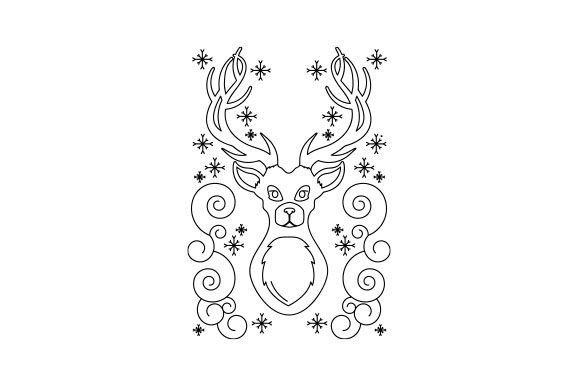
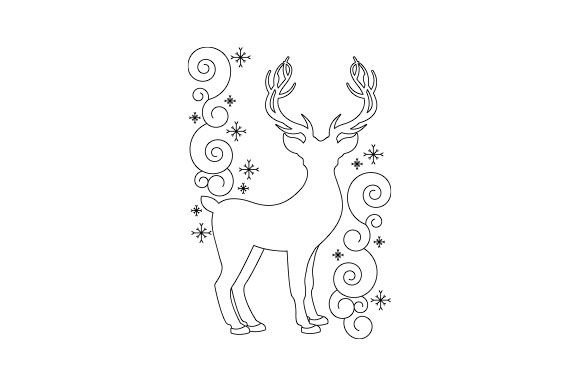
As a professional embroidery designer and product reviewer, I approach every new machine embroidery design with a critical eye for production viability. When evaluating the Reindeer Outline - Embroidery Pattern, my first assessment focuses on how this digital asset translates from screen to fabric. This is not merely a festive graphic; it is a structural blueprint for stitching. The outline style suggests a minimalist aesthetic that relies heavily on precision rather than dense coverage. For crafters and small business owners, this distinction is vital. An outline design demands perfect tension and pathing because there is no fill stitch to hide registration errors or puckering. My initial impression is that this pattern offers a sophisticated, modern alternative to traditional, heavy holiday embroidery, making it particularly suitable for contemporary custom apparel and boutique merchandise where subtlety sells.
Evaluating Stitch Integrity on Real Projects
I recently tested this concept while preparing a sample run of holiday tote bags for a local market. The goal was to create a reusable tote bag design that felt artisanal rather than mass-produced. Using the Reindeer Outline - Embroidery Pattern as a base, I assessed how the linear elements interacted with natural canvas texture. Outline designs can sometimes get lost in coarse fabrics if the stitch density is too light. In this real-world scenario, the design performed exceptionally well when paired with a high-quality tear-away stabilizer. The clean lines maintained their integrity without pulling the fabric grain, which is a common failure point in holiday embroidery on unstructured bags.
For those running an Etsy seller shop or a craft business, this versatility is a major asset. During my review process, I visualized this pattern across multiple substrates. On a cream-colored sweatshirt, the outline creates a delicate, sketch-like effect that appeals to customers seeking understated sweatshirt embroidery. Conversely, when scaled down for baby embroidery on a onesie, the lack of dense fill stitches means the garment remains soft and flexible against sensitive skin. This is a significant selling point for parents who avoid stiff, heavily embroidered baby items. However, I must note that because this is an outline-focused design, it behaves differently than an applique design or a full fill stitch motif. It requires the embroiderer to trust the negative space. If you are accustomed to saturated designs, this pattern asks you to embrace airiness and line weight as primary design elements.
Navigating Fabric Limitations and Hoop Constraints
While the Reindeer Outline - Embroidery Pattern is versatile, it is not universally forgiving. Through years of testing digital embroidery file assets, I have learned that outline work exposes fabric instability more readily than any other stitch type. You must exercise caution when applying this to stretchy knits or performance wear without adequate stabilization. A standard cutaway stabilizer is often non-negotiable here to prevent the outline from wavering during the wash cycle. I also advise checking your hoop size carefully before committing to a project. Outline designs can look deceptively simple on screen but may require a larger hoop to accommodate proper framing tension without distorting the reindeer’s proportions.
Dark fabrics present another specific challenge for this embroidery project. Unlike a solid shape, an outline relies entirely on contrast. If you are stitching white thread on navy fleece, ensure your machine’s top tension is perfectly balanced so the bobbin thread does not peek through the edges of the running stitch or satin columns. I recommend testing on scrap fabric first, specifically using the exact thread colors and material intended for the finished product. This step saves time and prevents wasted blanks. Additionally, be mindful of curved surfaces like caps. While the reindeer shape is organic, placing a continuous outline on the seam of a structured cap can lead to jump stitch issues or alignment gaps. For headwear, consider isolating specific elements of the design or opting for a flat brim application to maintain professional quality.
Commercial Viability and Customer Perception
For creative entrepreneurs and small shop product developers, the value of an embroidery design lies in its perceived worth. The Reindeer Outline - Embroidery Pattern communicates a sense of intentional craftsmanship. In my experience reviewing commercial embroidery assets, customers associate clean, precise outlines with higher-end branding compared to cluttered, overly complex holiday motifs. This design supports a premium pricing strategy for personalized gift items because it looks custom-drawn rather than stamped on. When creating printable mockups for your online listings, this design photographs beautifully due to its high contrast and defined silhouette. It reads clearly even in thumbnail images, which is crucial for click-through rates on platforms like Etsy or Shopify.
However, transparency regarding file formats is essential for commercial use. The product description indicates you will receive SVG, Transparent PNG, EPS, and DXF files. As a reviewer, I must emphasize that these are primarily vector and image formats, not native machine embroidery formats like PES, DST, or JEF. Before purchasing for direct machine use, verify whether a digitized embroidery file is included or if you will need to digitize these vectors yourself. For digital product sellers offering sublimation or vinyl variations, these formats are ideal. But for pure embroidered patch creation or direct-to-garment stitching, confirming the inclusion of a stitch file is a mandatory pre-purchase step. Never assume compatibility; always validate that the design assets match your equipment’s requirements to avoid production delays.
Professional Designer Notes for Best Results
To maximize the potential of the Reindeer Outline - Embroidery Pattern in both personal and commercial applications, adhere to these practical guidelines derived from hands-on testing:
- Validate Licensing: Before listing any handmade product featuring this design, confirm the commercial license terms. Ensure you are permitted to sell physical embroidered goods versus digital files.
- Contrast Testing: Always test thread colors against your specific fabric texture. Outline visibility drops significantly if the value contrast is too low.
- Stabilizer Selection: Match stabilizer weight to fabric drape. Use tear-away for stable wovens like canvas tea towels, and cutaway for stretchy knits used in custom apparel.
- Density Check: Inspect the design in your embroidery software. If the outline is a single running stitch, consider adding a second pass or converting to a satin stitch for better durability on items requiring frequent washing.
- Mockup Accuracy: When using the Transparent PNG for marketing, overlay it on realistic fabric textures rather than flat colors to give buyers an accurate expectation of the embroidery project outcome.
- Scale Responsibly: Avoid resizing outline designs by more than 20% without re-digitizing. Drastic scaling alters stitch length and can compromise the structural integrity of the reindeer shape.
Ultimately, the Reindeer Outline - Embroidery Pattern serves as a refined tool for makers who value precision and modern aesthetics. Whether you are producing a bespoke holiday gift or expanding your shop’s seasonal catalog, success depends on respecting the technical nuances of outline embroidery. By treating this design as a collaborative element between digital art and textile mechanics, you ensure that every stitched reindeer meets the high standards your customers expect. Take the time to test, stabilize correctly, and verify your file formats, and this pattern will undoubtedly become a reliable staple in your Christmas crafting repertoire.