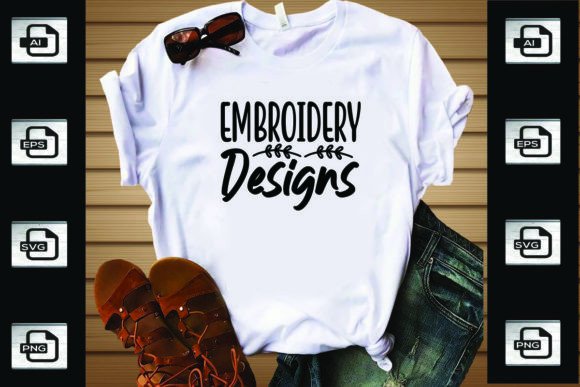
Embroidery Designs: A Vector Review for Stitchers
As a professional designer who spends just as much time behind an embroidery machine as I do in Adobe Illustrator, I approach every new graphic asset with a healthy dose of skepticism. When evaluating Embroidery Designs for real-world production, my primary concern is not just how pretty the screen preview looks, but how those vector lines will translate into physical thread on fabric. This specific collection arrives as a comprehensive vector package—including AI, EPS, SVG, PDF, and high-resolution 300 DPI PNG files—which immediately signals versatility. However, for those of us creating custom apparel or running a craft business, the true test lies in the geometry of the shapes and their suitability for digitizing.
First Impressions: Vector Clarity Meets Stitch Potential
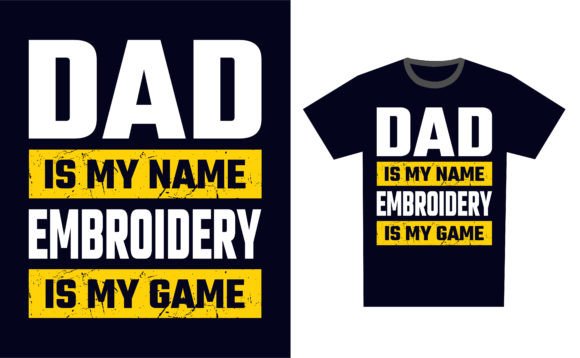
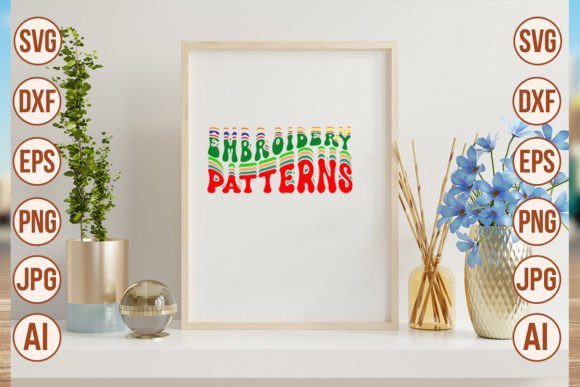
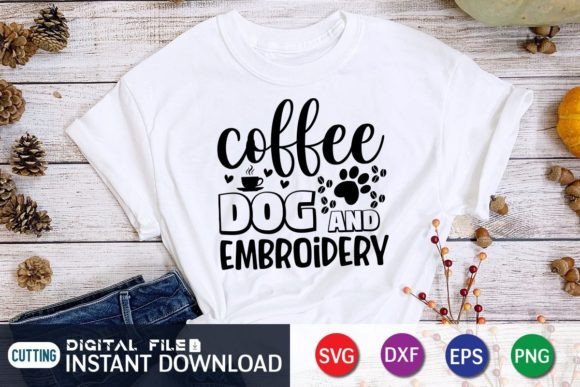
Opening the source files reveals that these are indeed 100% vector shapes. For an embroidery designer, this is the gold standard. Unlike raster images where edges can be blurry or pixelated, these clean paths allow for precise node editing before you even open your digitizing software. The visual personality of these T-Shirt Designs strikes a balance between modern simplicity and decorative appeal. They possess enough character to stand alone as a focal point on a garment, yet they maintain clean negative space that prevents the dreaded "bulletproof" stiffness when stitched out.
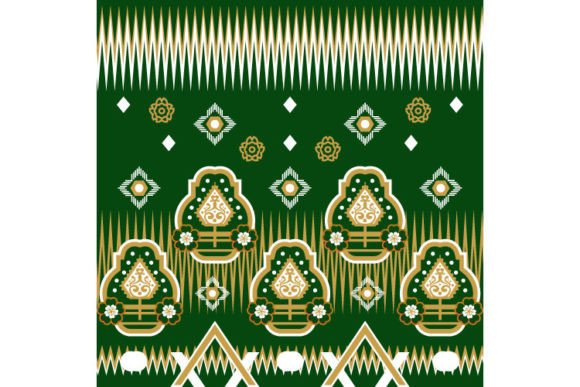
The mood created by these graphics feels accessible and commercial-ready. They avoid overly complex gradients or microscopic details that often plague digital art intended for print but fail in embroidery. Instead, the layout suggests distinct color blocks and defined outlines, which naturally map to satin stitch borders and fill stitch interiors. This structural integrity is crucial when you are planning a handmade product line where consistency across dozens of units is non-negotiable.
Real-World Application: The Custom Sweatshirt Test
To truly judge the viability of these Embroidery Designs, I mentally placed them in a current client scenario: producing a batch of custom embroidered sweatshirts for a local boutique’s holiday launch. Sweatshirt fleece is a textured, unstable fabric that demands respect. A design with too much detail gets lost in the nap; a design with too much density causes puckering.
In this context, these graphics perform exceptionally well because of their resizable nature. Being able to scale the vector art without losing quality allows me to adjust the size specifically for the hoop and the garment area. For a chest placement on a crewneck, I could reduce the design to a subtle logo size, ensuring the stitch density remains manageable. Conversely, for a large back print, the vectors expand perfectly to create bold, graphic statements without jagged edges.
This adaptability makes them ideal for various embroidery projects. I can easily envision these working as a tote bag design where bold lines are necessary for visibility from a distance, or as baby embroidery where soft, rounded shapes and lower stitch counts are required for safety and comfort. For Etsy sellers looking to expand their catalog, having a single master vector file that can be repurposed for patches, aprons, and nursery decor maximizes the return on investment for your design assets.
Navigating Fabric Variables and Technical Constraints
While the vector quality is high, practical application requires caution. Just because a graphic is labeled as "easy to modify" does not mean it is immune to the laws of physics. When using these Graphics for commercial embroidery, you must consider the substrate.
- Stretchy Fabrics: If applying these designs to performance wear or thin knits, the open areas of the vector art may require additional underlay stitches during digitizing to prevent distortion. The vector tells you where to stitch, but your digitizing settings determine if it stays straight.
- Textured Surfaces: On terry cloth towels or corduroy, fine running stitch details within the design might sink into the pile. You may need to add a topping or simplify the smallest elements of the vector file to ensure readability.
- Curved Applications: For caps or sleeves, verify that the aspect ratio of the design fits the curved surface. While the SVG and AI files allow you to warp or reshape the art, doing so requires testing to ensure the applique design elements still align correctly after distortion.
- Small Hoop Sizes: When resizing down for 4x4 hoops, check the minimum legible text size. Vector lines can be made infinitely small on screen, but a satin stitch column below 1mm risks breaking needles or fraying thread.
Understanding these limitations protects your reputation. A finished product that looks amateurish due to poor fabric-design pairing reflects badly on your brand, regardless of how beautiful the original digital file was.
Impact on Product Value and Customer Perception
In the handmade market, perceived value is directly tied to execution. Clean, crisp embroidery signals professionalism. Because these Embroidery Designs originate from high-quality vectors, the resulting digitized files tend to have smoother curves and fewer unnecessary jumps than auto-digitized raster conversions. This translates to a superior personalized gift or retail item.
For digital product sellers, the inclusion of a 300 DPI PNG is a significant asset for creating printable mockups. High-resolution previews build buyer confidence before they ever see the physical stitch-out. When customers can clearly visualize the design on a shirt or bag through professional mockups, engagement increases. Furthermore, the ability to easily change colors in the vector stage means you can offer multiple colorway variations in your shop listings without redigitizing, streamlining your workflow and expanding your small shop product range efficiently.
Essential Designer Notes for Safe Production
Before you commit these designs to a final run, adopt a rigorous testing protocol. As someone who has ruined expensive garments by skipping this step, I cannot emphasize its importance enough.
- Verify Licensing: Always confirm the specific license terms included with your download. Ensure you have the rights to sell finished custom apparel or distribute the digital embroidery file itself if that is your business model.
- Test Stitch-Outs: Never assume default settings work. Run a test on scrap fabric that matches your final project's weight and texture. Check for registration issues between color changes.
- Contrast Checks: View the design in black and white before choosing thread colors. If the design relies solely on color contrast rather than value contrast, it may disappear on similarly toned fabrics.
- Stabilizer Selection: Match your stabilizer to the design density derived from these vectors. A dense fill area requires cut-away support, while a lighter running stitch outline might suffice with tear-away.
- Mockup Validation: Use the provided PNG to create realistic mockups, but also photograph your actual test stitch-out. Real photos sell holiday embroidery and seasonal items better than digital renders alone because they prove the design actually works.
Ultimately, these Embroidery Designs serve as an excellent foundation for both hobbyists and professionals. They provide the raw geometric data needed for high-quality digitizing while offering the flexibility required for diverse applications. Whether you are crafting a unique embroidered patch, outfitting a bridal party, or stocking your Etsy store with best-sellers, starting with clean, resizable vector art removes technical friction and lets your creativity shine. Just remember that the file is only the blueprint; your expertise in materials, hooping, and machine operation brings the vision to life.