Embroidery Design: A Versatile Graphics Asset for Crafts
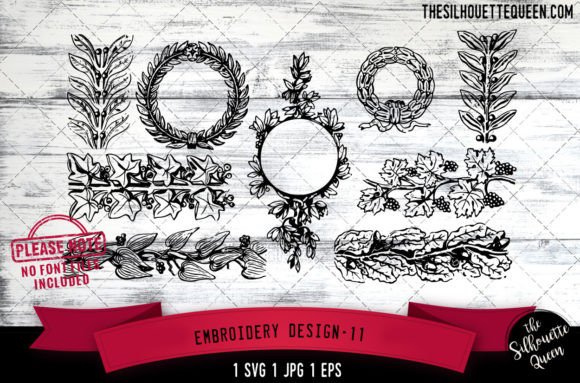
As an experienced digital seller, I was immediately drawn to the Embroidery Design when I first saw it. The design exudes a charming, handcrafted feel that could easily appeal to a wide range of buyers, from crafters and Etsy sellers to print-on-demand enthusiasts and Cricut users. Its elegant yet playful style makes it a versatile graphic design asset for various creative projects.
First Impressions and Niche Appeal
The Embroidery Design has a distinct visual personality that feels both modern and traditional. It would be perfect for a niche market that appreciates handmade, decorative, and premium designs. The intricate details and clean lines make it suitable for a variety of products, from printable wall art to seasonal bundles. This design could attract buyers who are looking for a touch of elegance and craftsmanship in their projects.
Practical Use in Real Product-Selling Situations
One of the key strengths of the Embroidery Design is its adaptability. Here’s how you can use it across different product types:
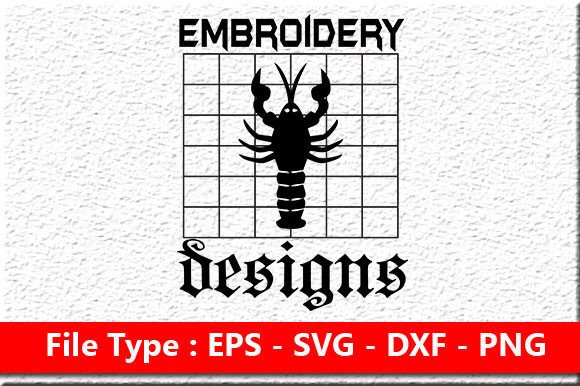
- SVG Products: Perfect for Cricut and Silhouette projects, this design can be used for cutting intricate patterns on vinyl, paper, or fabric.
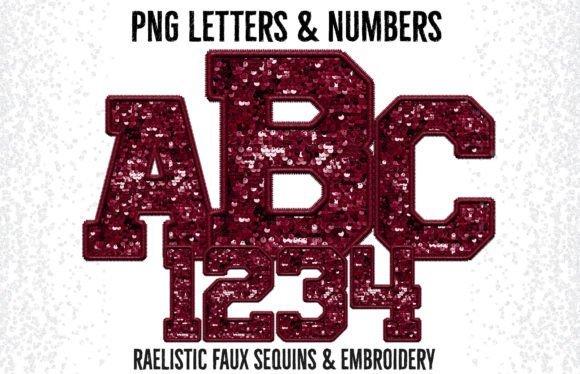
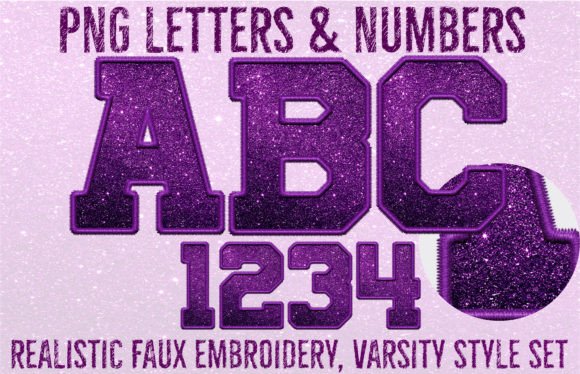
- PNG Designs: Ideal for sublimation designs, planner stickers, and greeting cards. The transparent background allows for seamless integration into any project.
- Printable Wall Art: Create high-quality, ready-to-print wall art that can be sold as digital downloads or physical prints.
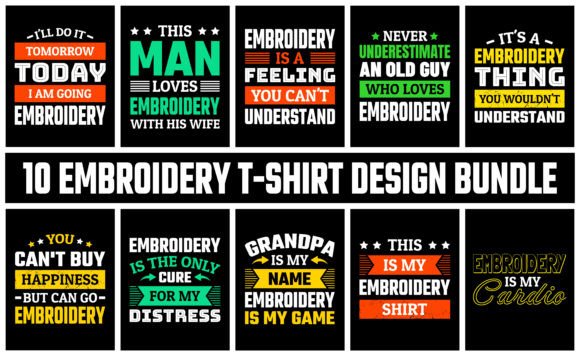
- T-Shirt Graphics: Add a unique touch to t-shirts with this design, making them perfect for boutique clothing lines or custom orders.
- Mug Designs: Transform ordinary mugs into eye-catching, personalized gifts or merchandise.
- Canva Templates: Incorporate the design into Canva templates for social media graphics, blog headers, and promotional visuals.
Enhancing Product Presentation
When it comes to presenting your products, the Embroidery Design can significantly enhance the overall appeal. Here’s how it can help:
- Mockup Previews: Use the design in mockups to give potential buyers a clear and attractive preview of how the final product will look.
- Thumbnail Appeal: Create eye-catching thumbnails for your listings, which can increase click-through rates and sales.
- Product Bundles: Combine the Embroidery Design with other complementary designs to create themed bundles, increasing the perceived value of your offerings.
- Seasonal Collections: Tailor the design to fit specific seasons or holidays, making it a go-to choice for seasonal product collections.
- Brand Consistency: Maintain a consistent and professional brand identity by using the design across various products and marketing materials.
Best Uses and Cautionary Notes
While the Embroidery Design is highly versatile, there are some areas where it should be used carefully:
- Tiny Sticker Details: The intricate nature of the design may not work well for very small sticker details, as the fine lines might get lost.
- Overly Complex Layouts: Avoid using the design in overly complex layouts, as it may overwhelm the overall design and reduce its impact.
- Low-Resolution Print Products: Ensure that the design is printed at a high resolution to maintain its quality and detail.
- Crowded Thumbnails: Keep the design uncluttered in thumbnails to ensure it stands out and catches the eye.
- Dark Backgrounds: Test the design on dark backgrounds to ensure it has enough contrast and visibility.
- Clean Cutting Lines: Verify the SVG file for clean cutting lines, especially for Cricut and Silhouette projects where precision is crucial.
Practical Seller Notes
Before publishing your listings, here are some practical steps to take:
- Test on Real Mockups: Use the Embroidery Design in real mockups to see how it looks in different contexts and applications.
- Preview as Marketplace Thumbnail: Preview the design as a thumbnail on your chosen marketplace to ensure it stands out and is visually appealing.
- Check White and Dark Backgrounds: Test the design on both white and dark backgrounds to ensure it has good visibility and contrast.
- Test Print Colors: Print the design in different colors to see how it translates to physical products and adjust as needed.
- Verify PNG Transparency: Check the transparency of the PNG file to ensure it blends seamlessly with other elements in your designs.
- Inspect SVG Cut Quality: Inspect the SVG file for clean, precise cutting lines, especially if you plan to use it for Cricut or Silhouette projects.
- Confirm File Resolution: Ensure the files are of high resolution to maintain the quality and detail of the design.
- Organize Files Clearly: Organize the EPS, PNG, and SVG files clearly for easy access and customer convenience.
- Pair with Complementary Fonts: Pair the design with serif, sans serif, script, and handwritten fonts to create a cohesive and professional look.
- Confirm Commercial Licensing: Always check and confirm the commercial licensing before using the design in finished products to avoid any legal issues.
In conclusion, the Embroidery Design is a valuable addition to any digital seller's toolkit. Its versatility, charm, and high-quality execution make it a standout choice for a wide range of creative and commercial projects. By following these practical tips, you can effectively integrate the Embroidery Design into your product collection and create a more professional and appealing online shop.